.png)

LEARNING HUB
Biosolar & Planning
/Policy Context
Understand UK biosolar planning policy, Biodiversity Net Gain, green infrastructure requirements, local planning guidance and how policy can influence biosolar roof design.
How Does Biosolar Fit Into Planning
There is no single “biosolar policy”. Instead, a biosolar roof can support several planning objectives across energy, ecology, urban greening and drainage.
Which requirements apply will depend on the site, the type of development and the relevant national and local planning policy.
Energy → Biodiversity → Urban Greening → Drainage → Local Policy
In Simple Terms:
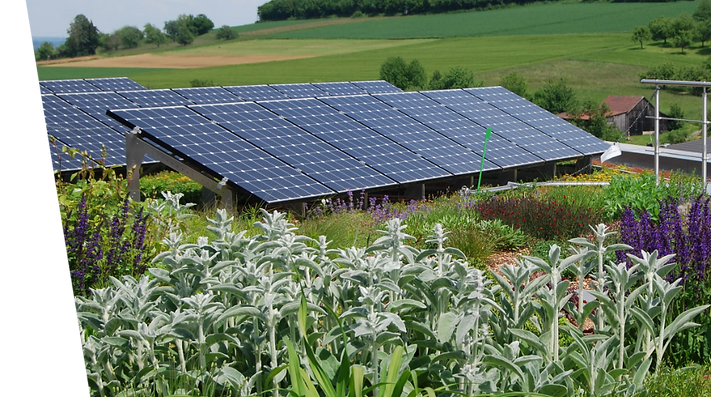
Biosolar brings solar PV and a green roof together on the same roof.
This can help a development address several objectives within one coordinated roof strategy, rather than treating renewable energy, biodiversity and green infrastructure as separate systems.
.png)
01
Renewable Energy & National Policy
Biosolar allows commercial roof space to support renewable electricity generation while retaining green infrastructure around and beneath the solar array.
How Biosolar Can Help
-
Supports rooftop renewable energy generation
-
Makes better use of limited commercial roof space
-
Allows solar PV and green infrastructure to work together
Why It Matters
Coordinating both systems early can reduce competition for roof space and help the project respond to energy and environmental objectives together. National planning guidance supports increasing renewable and low-carbon energy while still requiring other environmental and local planning considerations to be addressed.
02
Biodiversity & BNG
Biodiverse roofs can create habitat for plants, insects, pollinators and birds. Where statutory Biodiversity Net Gain applies, suitable green roofs can also contribute towards on-site biodiversity units as part of the wider ecology strategy.
How a Biosolar Roof Can Help
-
Creates additional rooftop habitat
-
Supports varied planting and species
-
Can contribute to the wider ecology strategy
Important
A biosolar roof does not automatically satisfy BNG requirements.
Where BNG applies, the project's biodiversity metric, habitat design and wider ecology strategy determine the contribution the roof can make.


03
Drainage & Rainwater
Vegetation, growing substrate and drainage layers can temporarily retain and slow rainfall before water reaches the roof outlets.
How Water Moves Through the Roof
Rainfall → Vegetation & Substrate → Temporary Retention → Controlled Discharge
How Biosolar Can Help
-
Slows the rate at which rainfall reaches outlets
-
Can support the wider SuDS and drainage strategy
-
Adds green infrastructure alongside renewable energy
The roof still needs to be coordinated with the project's drainage design and discharge requirements.
Check Local Planning Policy
London & Urban Greening Factor
National policy is only part of the picture. Local authorities may have additional requirements covering biodiversity, drainage, green infrastructure, renewable energy, design and climate resilience.
Before Designing the Roof, Check:
-
The adopted Local Plan and relevant guidance
-
Biodiversity and green infrastructure requirements
-
Drainage and surface-water requirements
-
Design, heritage or visual constraints
-
Site-specific policies or planning conditions
Requirements vary between authorities, so the local planning position should be established early in the design process.
London planning policy places particular emphasis on urban greening. The Urban Greening Factor, or UGF, is used for major developments to assess the quantity and quality of green infrastructure included within a scheme.
Why Biosolar Can Be Useful
Limited Roof Space + Solar Requirement + Greening Requirement = Coordinated Biosolar Roof
A biosolar approach can allow renewable energy generation and roof-level greening to share the same limited area rather than competing for separate parts of the roof.
London projects should always check the relevant borough's Local Plan and current London-wide guidance.
What to Check Before Designing
Site
-
Local planning requirements
-
Heritage or visual constraints
-
Existing ecology and habitats
-
Drainage requirements
-
Available roof area
Coordination
-
Solar PV layout
-
Green roof design
-
Roof access
-
Structural requirements
-
Future maintenance
Supporting Information
-
Roof and PV drawings
-
Ecology or BNG information
-
Drainage information
-
UGF calculation where relevant
-
Planning or design information
Why This Matters:
Considering these areas together early can reduce clashes between the PV system, green roof, drainage routes and wider project requirements.
Does a Biosolar Roof Need Planning Permission?
There is no single answer for every project.
Solar PV on a non-domestic building may fall within permitted development rights where the relevant limits and conditions are met. Other roof works, site constraints or planning requirements may still need separate consideration.
Check Particularly If the Project Involves:
Always confirm the planning position for the specific project before work proceeds!

Heritage or Conservation
Listed Buildings
Major Roof Alterations
Local Restrictions
Planning Conditions


WHERE TO GO NEXT
To understand how biosolar compares with other combined roof systems, continue to Biosolar vs Green Roof Solar.
If you’d like to explore what a biosolar roof can achieve in terms of energy performance, biodiversity value, and planning outcomes, visit Key Benefits.
For policy drivers and regulatory context, the Biosolar and Planning / Policy page provides a concise overview of current UK guidance.
If you’re seeking a specialist contractor to deliver a biosolar roof system visit PV Plus