.png)
LEARNING HUB
Types of
Biosolar Systems
Compare integrated, overlay, ballasted and vertical biosolar mounting systems and understand which approaches suit new-build, retrofit and commercial green roof projects.
What Makes Biosolar Systems Different?
All biosolar roofs combine the same core elements — solar PV, a mounting structure, green roof build-up, drainage and safe access.
The main difference is how the PV mounting system relates to the green roof beneath it and how closely the two systems are designed together.
Solar PV + Mounting Structure + Green Roof Build-Up + Drainage + Access = Biosolar System
In Simple Terms:
Some biosolar systems integrate the mounting and green roof as one coordinated roof solution.
Others use a more independent PV mounting structure above the green roof. Both approaches can work effectively when they are designed and coordinated correctly.
What Makes Biosolar Systems Different?
01
Integrated Biosolar
The mounting system and green roof are designed together as a coordinated roof solution.

-
Mounting interfaces with the green roof build-up
-
PV and roof design are coordinated from the start
-
Often forms part of a manufacturer-approved system
-
Well suited to new build and major refurbishment
02
Overlay / Independent Mounting
The PV mounting is installed above an existing or independently designed green roof.

-
More independent from the green roof build-up
-
Can provide greater flexibility for retrofit projects
-
Useful where an existing green roof is being retained
-
Layout, shading and access still require coordination

01 — Integrated Biosolar Systems
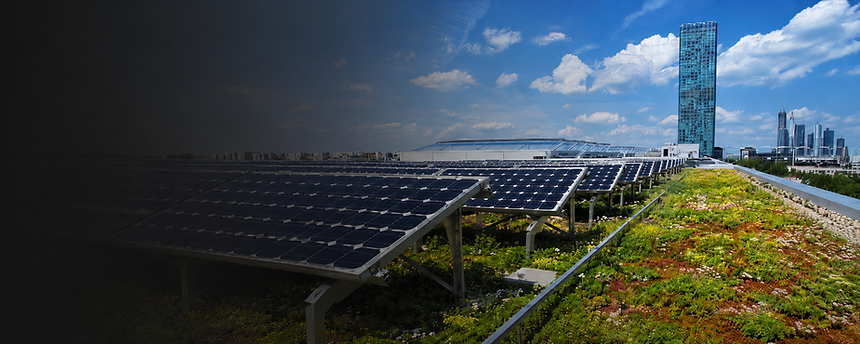
Integrated biosolar systems coordinate the PV mounting, green roof build-up, vegetation, drainage and solar layout from the beginning of the design process.
The mounting system is designed to work with the roof build-up so the solar and green roof components can function as one coordinated system.
How It Works
The mounting structure interfaces with the green roof or proprietary roof system while vegetation, drainage and panel positioning are designed around it.
Best Suited To
New build projects and major refurbishments where the roof system, green roof and solar PV can be coordinated from the outset.
Key Consideration
Manufacturer requirements, approved interfaces and warranty conditions may influence which mounting systems and installers can be used.


UK Integrated System Examples
Several manufacturers offer proprietary green roof and biosolar solutions designed to coordinate roof build-up, drainage, vegetation and PV mounting.
Each manufacturer uses its own system build-up, mounting interfaces and installation requirements.
Always confirm compatibility with the specified roofing and green roof system.
02 — Overlay Biosolar Systems
Overlay systems use a PV mounting structure positioned above an existing or independently designed green roof.
This approach can give greater flexibility because the green roof and solar system may be specified separately, although both still need to work together safely.
How It Works
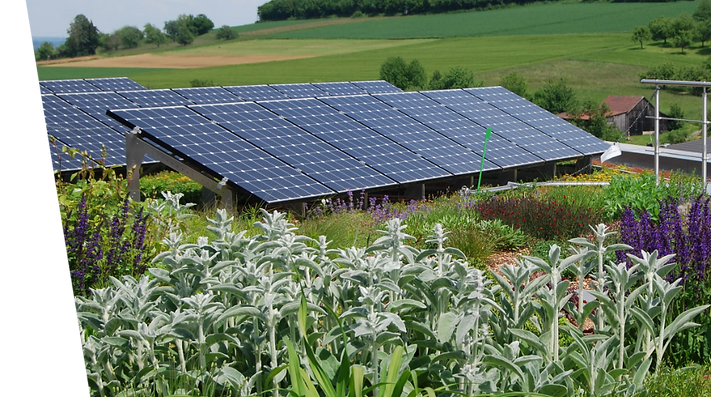
PV mounting frames sit above the vegetation while the green roof remains a largely continuous system beneath the solar array.
Best Suited To
Retrofit projects, existing green roofs and schemes where greater flexibility between the PV and green roof systems is required.
Key Consideration
Panel height, shading, drainage and maintenance access must be carefully coordinated to avoid creating problems beneath the array.

Overlay Mounting Examples
A number of PV mounting products can be used above green roofs depending on the project, roof construction and loading requirements.
Different products use different panel orientations, mounting methods and load-management strategies.
Always check structural loading, wind design and compatibility with the existing roof build-up.
.png)
.png)
Mounting & Layout Explained
Terms such as ballasted, mechanically fixed, integrated and vertical describe how the PV is mounted or arranged. They are not separate green roof types.

Ballasted Systems
Use additional weight to help resist wind forces rather than relying entirely on penetrative roof fixings.
Mechanically Fixed / Integrated
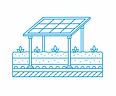
Mounting connects to the structure or a proprietary roof system designed to support the solar array.
Vertical PV
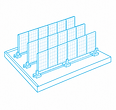
Panels are mounted upright rather than at a conventional tilt, changing spacing, shading and generation patterns.
What Should You Consider When Selecting a System?
The right biosolar system depends on the roof, project stage and green roof requirements. Reviewing these six areas early helps narrow down the most suitable mounting approach.
Project Stage
Roof Capacity
01
New build, refurbishment or retrofit will influence which system options are practical.
02
Confirm the available structural capacity and any limits on additional roof loading.
Green Roof
03
Consider vegetation, substrate depth and biodiversity objectives for the proposed roof.
Mounting Approach
04
Consider how the PV mounting will interact with the green roof build-up.
Access & Maintenance
05
Allow safe routes for maintaining the solar array and green roof long term.
Manufacturer & Warranty
06
Confirm system compatibility, warranty requirements and any approved installer conditions.
WHERE TO GO NEXT
To understand how biosolar compares with other combined roof systems, continue to Biosolar vs Green Roof Solar.
If you’d like to explore what a biosolar roof can achieve in terms of energy performance, biodiversity value, and planning outcomes, visit Key Benefits.
For policy drivers and regulatory context, the Biosolar and Planning / Policy page provides a concise overview of current UK guidance.
If you’re seeking a specialist contractor to deliver a biosolar roof system visit PV Plus