.png)
LEARNING HUB
Biosolar Maintenance
Overview
Understand how biosolar roofs should be maintained, including vegetation care, drainage, solar PV inspection, access, substrate condition and long-term maintenance planning.
How a Biosolar Installation Works
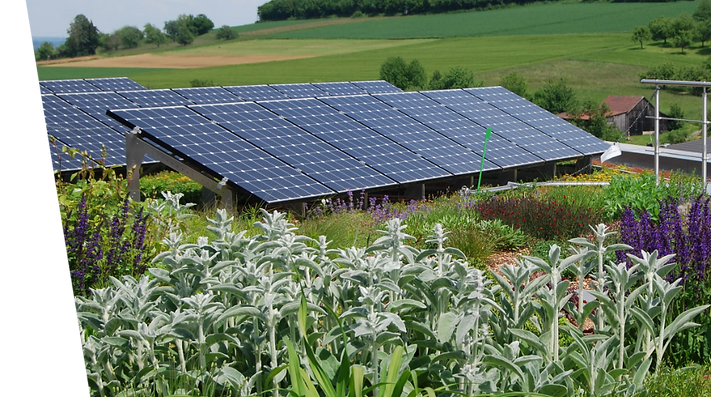
A biosolar roof combines living vegetation with solar PV, so both systems need to be maintained together rather than in isolation.
Regular maintenance helps keep plants healthy, supports reliable solar generation and ensures drainage routes and access paths remain clear and safe.
It is also a form of preventative care. Small issues are easier and cheaper to resolve early than after they begin affecting roof performance.
In Simple Terms:
Protect performance
Keep the roof and PV system performing reliably throughout their service life.
Support vegetation
Maintain healthy planting, suitable growing conditions and good roof coverage.
Keep access and drainage clear
Keep routes, outlets and key roof areas clear, safe and easy to access.
Inspect
Check vegetation, PV arrays, drainage points, access routes and any issues noted since the previous visit.
1
2
Maintain
Carry out the agreed care tasks and corrective actions needed to keep the roof safe, tidy and performing properly.
3
Record
Document observations, actions taken and photographs so the system’s condition can be tracked over time.
4
Review
Assess overall condition, identify recurring issues and confirm whether any follow-up works or adjustments are needed.
5
Plan Next Visit
Set the timing and likely scope of the next visit based on the season, site conditions and current roof performance.
What a biosolar maintenance visit includes

1.
Green roof care
-
Check overall vegetation health and coverage
-
Remove weeds and unwanted growth where needed
-
Review substrate levels and local settlement
-
Check irrigation or watering requirements
-
Identify any replanting or reseeding needs

2.
Solar PV checks
-
Visually inspect panels, rails and fixings
-
Review inverter or system performance data
-
Check cabling, clips and basic cable condition
-
Look for shading, soiling or damage issues
-
Confirm no vegetation is affecting equipment

3.
Roof function and access
-
Check drainage outlets and flow paths remain clear
-
Confirm access routes are safe and unobstructed
-
Review roof edges, details and safety features
-
Check housekeeping around plant and equipment
-
Note anything likely to affect future maintenance
Who looks after what?
Responsibility varies between contracts and manufacturers, so these should be treated as typical roles rather than fixed rules.
-
Vegetation care and seasonal maintenance
-
Weeding, pruning and replanting works
-
Irrigation checks and planting adjustments
-
Substrate condition and drainage observations
Green Roof Team
-
PV system inspections and functional checks
-
Electrical safety and performance review
-
Inverter monitoring and fault investigation
-
Mechanical checks to modules and fixings
Solar / Electrical Team
-
Maintenance planning and scheduling
-
Trade coordination and risk control
-
Reporting and performance review
-
Technical advice when needed
Coordinated / Specialist Oversight
How often should maintenance happen?
Routine visits
Usually at least twice per year, with one visit during the growing season and one during the non-growing or wetter season.
Additional or trigger-based visits
Extra visits may be needed after establishment periods, severe weather, drainage issues, system faults or unusual vegetation growth.

Every site is different. A site-specific maintenance plan should set the right visit frequency and task list for the roof.

Record keeping and performance monitoring
Good records turn individual maintenance visits into a long-term management strategy for the whole roof.
Each visit should document vegetation condition, drainage status, substrate levels, PV observations, remedial works and site photographs.
Clear records help identify trends early, support budgeting, improve accountability and make future maintenance decisions easier.
Accurate records help you spot issues early, plan future works and protect long-term roof performance.
What good maintenance should achieve
Safe access
Clear, secure roof access for inspections, servicing and routine care.
Healthy vegetation
Healthy planting that supports biodiversity, coverage and roof health.
Reliable drainage
Free-flowing outlets and drainage paths that protect the roof build-up.
Efficient solar performance
Clean, well-functioning PV equipment delivering reliable energy output.
WHERE TO GO NEXT
To understand how biosolar compares with other combined roof systems, continue to Biosolar vs Green Roof Solar.
If you’d like to explore what a biosolar roof can achieve in terms of energy performance, biodiversity value, and planning outcomes, visit Key Benefits.
For policy drivers and regulatory context, the Biosolar and Planning / Policy page provides a concise overview of current UK guidance.
If you’re seeking a specialist contractor to deliver a biosolar roof system visit PV Plus