.png)
LEARNING HUB
Biosolar VS
Green Roof Solar
Understand the difference between integrated biosolar roofs and conventional solar over green roofs, including mounting, planting, drainage, access and long-term performance.
Biosolar vs Green Roof Solar
Both approaches combine vegetation and solar PV on the same roof, but they are not quite the same.
The key difference is coordination. A biosolar roof is planned as one integrated rooftop system, while green roof + solar may involve two separate systems sharing the same roof space.
Green Roof + Solar (Co-Located)
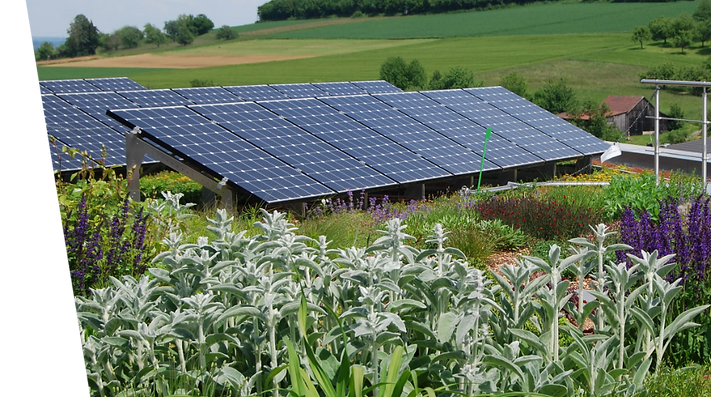
A green roof + solar installation combines two separate technologies within the same roof area.
The green roof and PV array may be designed independently, with the solar mounting, planting and access requirements coordinated around each other later.
This approach can work successfully, but additional coordination may be needed to avoid conflicts between vegetation, drainage, access and solar equipment.
Biosolar Roof (Integrated)

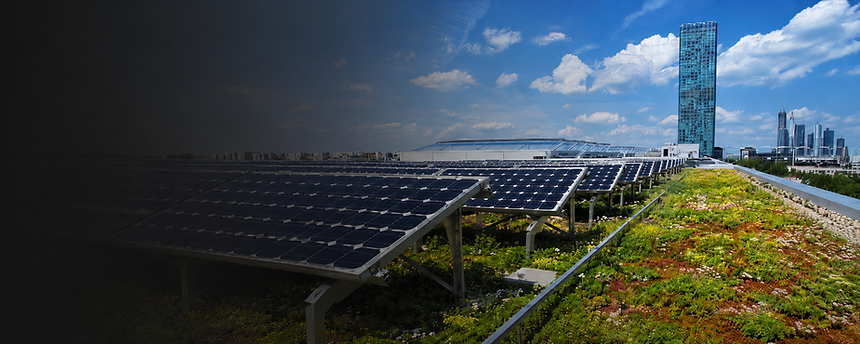
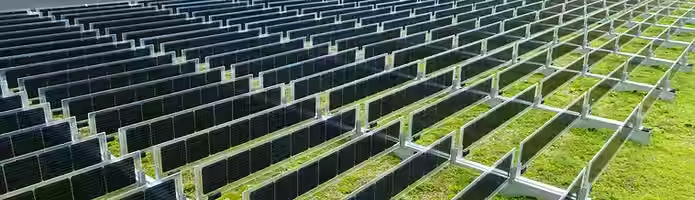
A biosolar roof combines the green roof and solar PV as one coordinated rooftop system.
The planting, PV layout, mounting, drainage and access requirements are considered together from an early stage in the design.
This allows each part of the roof to be planned around the others, helping the complete system operate and be maintained effectively.
What Actually Changes?
Topic | Coordinated biosolar | Uncoordinated co-location |
|---|---|---|
Project risk | Lower risk, smoother delivery | Higher risk, more coordination problems |
Design changes | Fewer late-stage changes and clashes | Higher risk of redesign and site issues |
Maintenance | Clear maintenance strategy and responsibilities | More complex maintenance and unclear ownership |
Access & safety | Access routes planned from the start | Access can be restricted or overlooked |
Biodiversity | Planting is designed to work with PV layout | Planting areas can be fragmented or limited |
PV performance | More reliable output with reduced shading | Higher risk of shading and reduced yield |
Why Integration Matters?
The advantage of a biosolar approach is not simply having solar panels and vegetation on the same roof. It is designing them to work together.
Good coordination can help provide:
-
Better compatibility between solar PV and vegetation
-
Clear drainage routes and accessible roof outlets
-
Suitable access for inspection and maintenance
-
More effective use of available commercial roof space
-
Better coordination between the roof build-up and mounting system
Early consideration of these requirements can also reduce the risk of different parts of the roof competing for the same space later in the project.

Coordinated Biosolar
Green Roof + Solar (Co-Located)
Which Approach Suits Your Project?
Existing Green Roof
Adding solar PV to an existing green roof may be possible without completely redesigning the roof.
The existing build-up, structure, vegetation, drainage and available space should first be assessed to understand what type of solar solution is suitable.
New Roof or Refurbishment
New-build and major refurbishment projects provide more opportunity to coordinate the complete roof from the beginning.
Solar PV, green roof build-up, mounting, drainage, access and planting can all be considered together during the design process.
WHERE TO GO NEXT
To understand how biosolar compares with other combined roof systems, continue to Biosolar vs Green Roof Solar.
If you’d like to explore what a biosolar roof can achieve in terms of energy performance, biodiversity value, and planning outcomes, visit Key Benefits.
For policy drivers and regulatory context, the Biosolar and Planning / Policy page provides a concise overview of current UK guidance.
If you’re seeking a specialist contractor to deliver a biosolar roof system visit PV Plus