.png)
LEARNING HUB
What is a
Biosolar Roof?
Learn what a biosolar roof is, how solar PV and green roof systems work together, the main roof layers involved and where biosolar roofs are used on UK buildings.
What Is A Biosolar Roof?
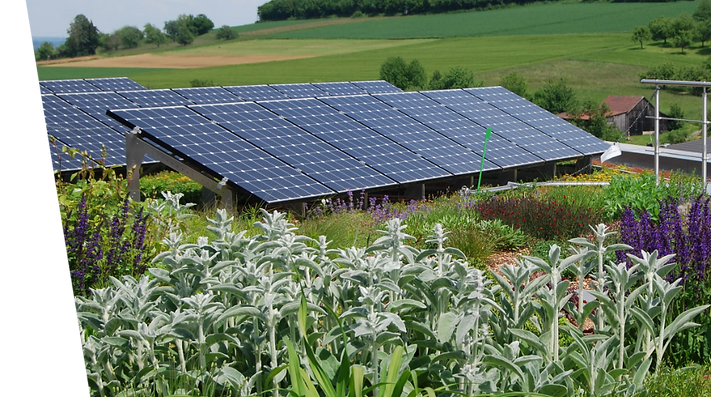
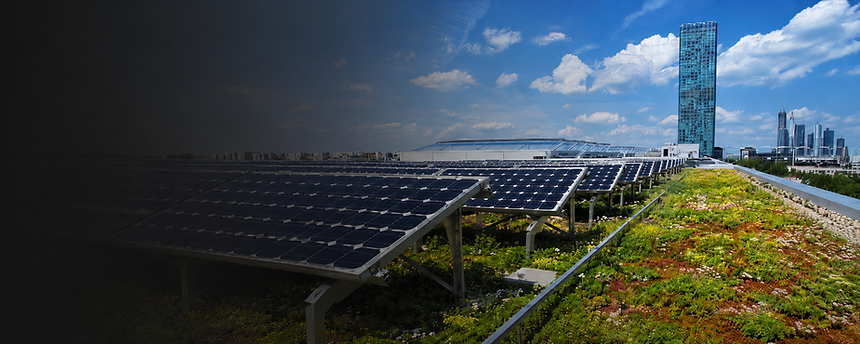
A biosolar roof combines solar PV with a vegetated green roof as one coordinated rooftop system.
Rather than treating the solar array and green roof as completely separate elements, the roof is designed so that the PV layout, vegetation, drainage, access and mounting system can work together within the available roof space.
In Simple Terms:
A biosolar roof combines solar energy generation and green roof technology on the same roof, helping a building make better use of its available rooftop space.
The 3 Key Components


1.
Green Roof Build-Up
2.
Mounting System
3.
Solar PV Array
The green roof provides the planted foundation of the biosolar system.
It typically includes vegetation, growing substrate, filter layers, drainage and water retention layers above the roof waterproofing.
Its role is to support plant growth, manage rainfall and create the green infrastructure beneath and around the solar array.
To learn more about Biosolar Build-Up click here
The solar PV array generates renewable electricity from the available commercial roof space.
Its orientation, pitch and spacing must be coordinated with vegetation, drainage routes, roof equipment and maintenance access.
A well-planned layout allows the solar system to operate effectively while leaving enough space for the green roof to perform properly.
The mounting system securely supports the solar PV array above or within the green roof.
It must work alongside the roof build-up without preventing drainage, damaging the waterproofing or restricting vegetation unnecessarily.
The system also needs to account for structural loading, wind loading, panel spacing and ongoing maintenance access.
To learn more about Mounting Systems click here
How It Works As One System
A successful biosolar roof is not simply a standard solar installation placed on top of a green roof.
Both systems need to be coordinated so that the PV array, vegetation and wider roof build-up can perform without creating unnecessary conflicts.
Good coordination can help ensure:
-
Solar panels have suitable orientation and spacing
-
Vegetation receives appropriate light and rainfall
-
Drainage routes and outlets remain accessible
-
Maintenance teams can move safely around the roof
-
Mounting systems suit the proposed roof build-up
-
Biodiversity objectives are considered within the layout
Early coordination between the solar installer, roofing contractor, green roof specialist and wider design team can help prevent issues later in the project.
To download the "Biosolar Pre-Design Checklist" click here
How a Biosolar Roof Works
See how solar PV, vegetation, mounting systems, drainage and access requirements come together to create one coordinated biosolar roof.
Why Biosolar Roofs Deliver More Value
A biosolar roof allows the same roof area to contribute towards several different project objectives.
Flexible for Different Goals
Biosolar roofs can be designed around different project priorities, including renewable energy, biodiversity and urban greening.
The balance between these priorities can be adjusted depending on the building, planning requirements and available roof space.
Better Use of Roof Space
Commercial roofs often need to accommodate several competing requirements within a limited area.
Combining solar PV and green infrastructure allows the same roof space to contribute towards both energy generation and environmental objectives.
Greater Environmental Value
Green roof vegetation can introduce planting, habitat opportunities and additional ecological value into otherwise unused roof areas.
When combined with solar PV, the roof can support biodiversity while continuing to generate renewable electricity.
Additional Roof Protection
Green roof layers provide additional protection above the waterproofing and can reduce its direct exposure to sunlight and weathering.
Correct design, installation and ongoing maintenance are still essential to protect the roof throughout its service life.
Multiple Benefits From One Roof
A coordinated biosolar roof can contribute towards renewable energy, biodiversity, drainage and wider sustainability objectives.
This makes it particularly useful on commercial projects where every part of the available roof space needs to work harder.
Supports Water Management
Green roof layers can help retain rainfall and slow the rate at which water leaves the roof during storm events.
When designed correctly, this can support wider drainage strategies while allowing the roof to provide additional environmental value.
WHERE TO GO NEXT
To understand how biosolar compares with other combined roof systems, continue to Biosolar vs Green Roof Solar.
If you’d like to explore what a biosolar roof can achieve in terms of energy performance, biodiversity value, and planning outcomes, visit Key Benefits.
For policy drivers and regulatory context, the Biosolar and Planning / Policy page provides a concise overview of current UK guidance.
If you’re seeking a specialist contractor to deliver a biosolar roof system visit PV Plus